
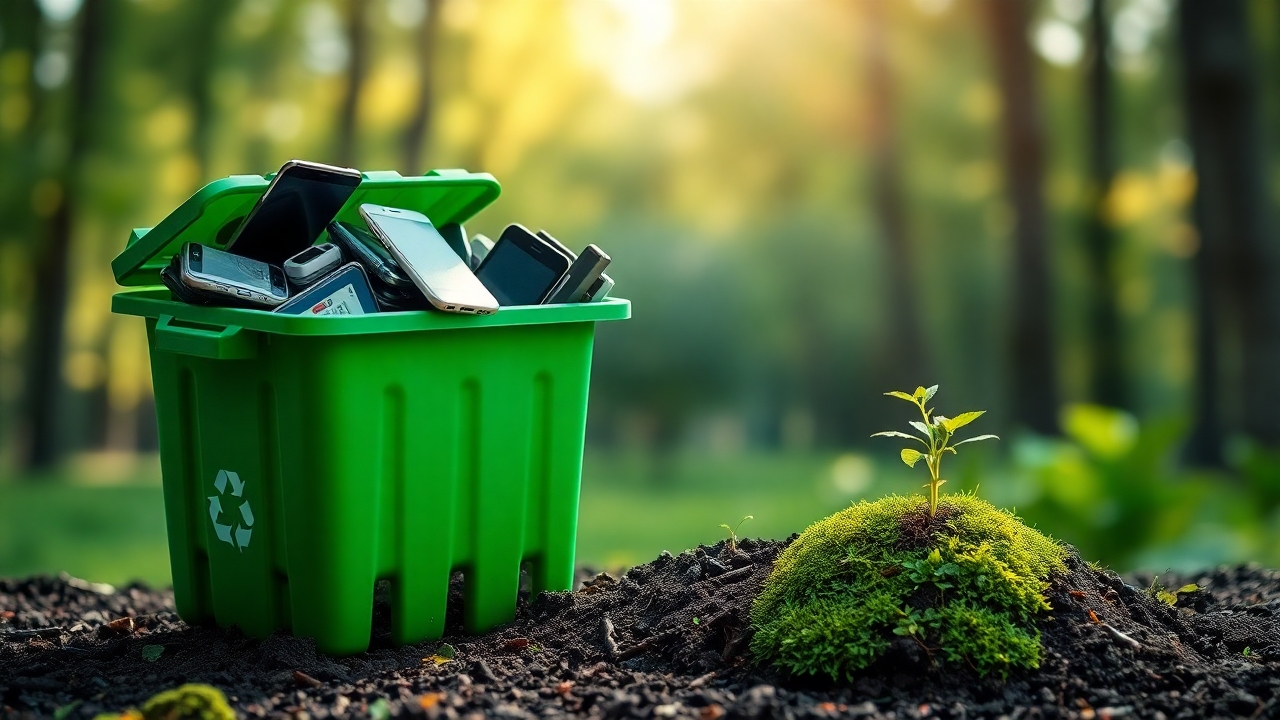
Electronic waste recycling, electronics recycling, or e-waste recycling is the disassembly and separation of components and raw materials of waste electronics; when referring to specific types of e-waste, the terms like computer recycling or mobile phone recycling may be used. Like other waste streams, reuse, donation, and repair are common sustainable ways to dispose of IT waste.
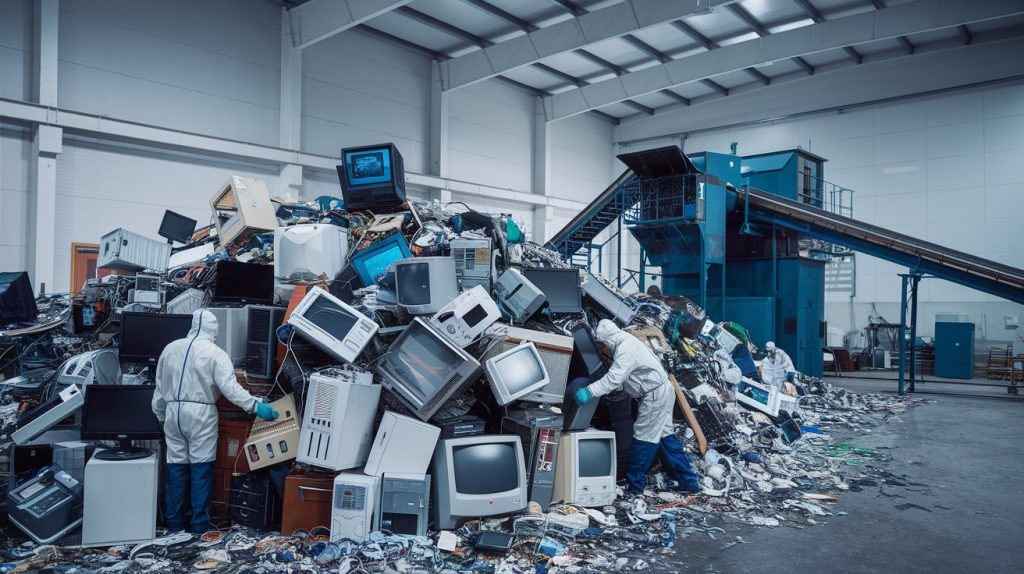
Since its inception in the early 1990s, more and more devices are recycled worldwide due to increased awareness and investment. Electronic recycling occurs primarily in order to recover valuable rare-earth metals and precious metals, which are in short supply, as well as plastics and metals. These are resold or used in new devices after purification, in effect creating a circular economy. Such processes involve specialized facilities and premises, but within the home or ordinary workplace, sound components of damaged or obsolete computers can often be reused, reducing replacement costs.
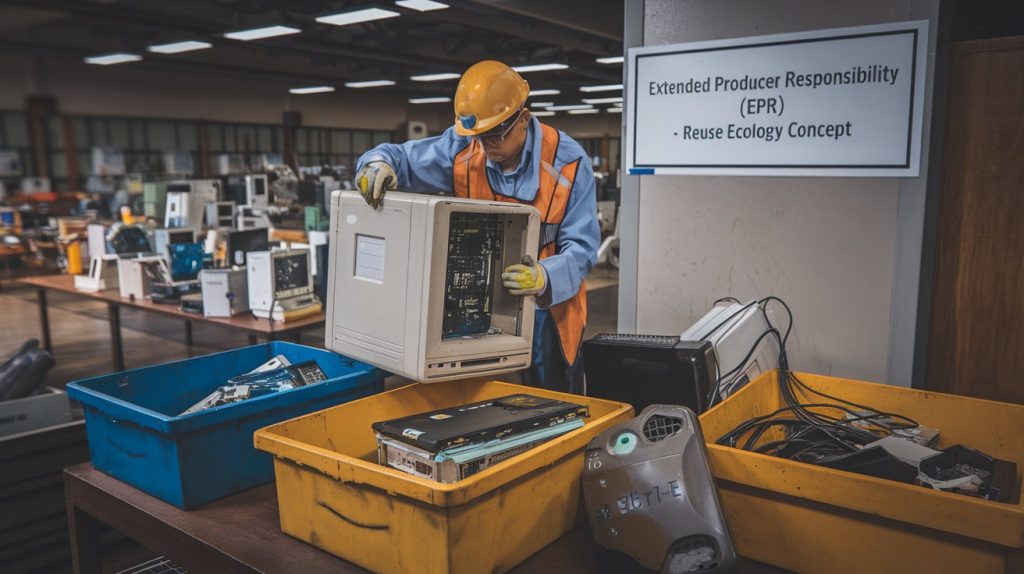
Recycling is considered environmentally friendly because it prevents hazardous waste, including heavy metals and carcinogens, from entering the atmosphere, landfill or waterways. While electronics consist a small fraction of total waste generated, they are far more dangerous. There is stringent legislation designed to enforce and encourage the sustainable disposal of appliances, the most notable being the Waste Electrical and Electronic Equipment Directive of the European Union and the United States National Computer Recycling Act.[2] In 2009, 38% of computers and a quarter of total electronic waste was recycled in the United States, 5% and 3% up from 3 years prior respectively